

Why Can’t I Sleep After Drinking? How Alcohol Affects Rest and Recovery
You felt sleepy on the couch. Getting into bed seemed easy. A few hours later, you are awake, watching the clock and wondering why you cannot get back to sleep.
Or perhaps you feel exhausted but never fall asleep at all.
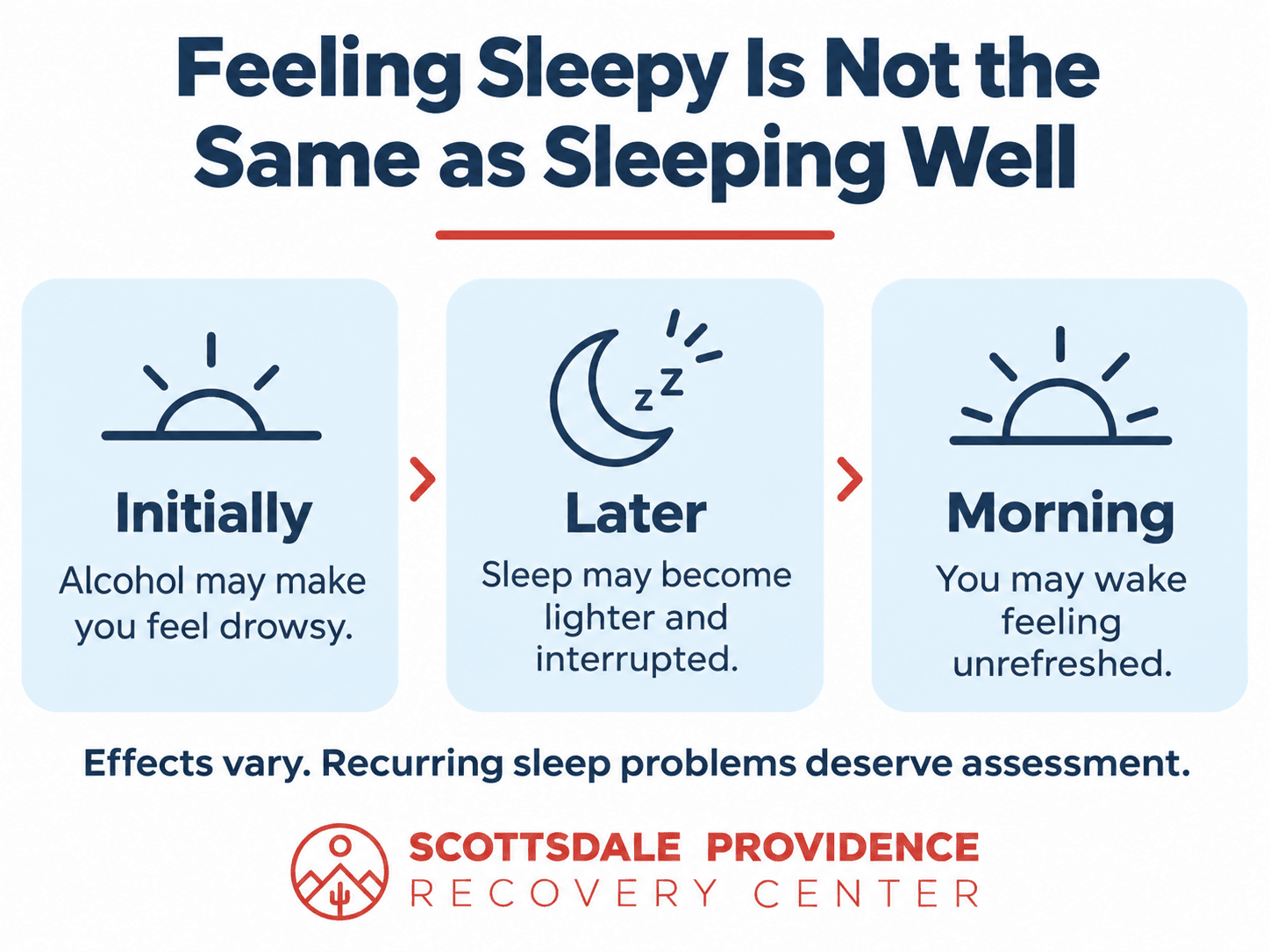
If you have been asking, “Why can’t I sleep after drinking?” the short answer is that alcohol’s sedating effects do not reliably produce healthy sleep. It may make you drowsy initially while contributing to lighter, more interrupted sleep later.
When this happens repeatedly, the answer involves more than finding a better bedtime routine. It means understanding how alcohol, sleep, and your mental health may be affecting one another.
At Bedtime: Sleepiness Can Be Misleading
Alcohol is a central nervous system depressant. Its effects can make you feel less alert, which may seem helpful when you have been struggling to switch off.
That experience can be persuasive. You remember falling asleep after drinking, especially if you usually spend hours awake.
Image: 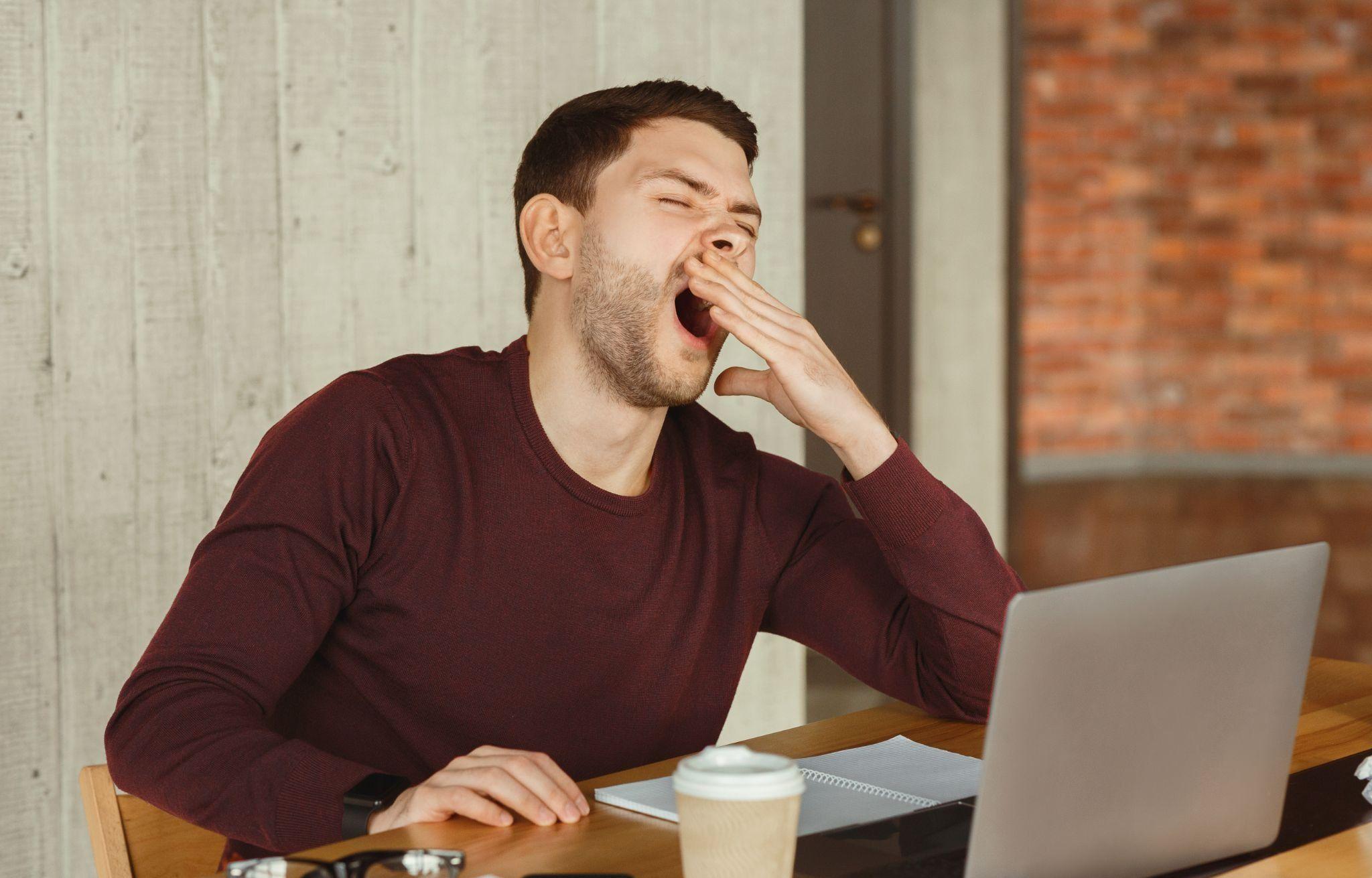
But falling asleep is only one part of rest. Staying asleep and moving through normal sleep stages matter, too.
Alcohol also does not reliably help everyone fall asleep. Anxiety, caffeine, medications, existing insomnia, and other health concerns may contribute to feeling physically tired but unable to settle. These are among the factors that can disrupt sleep. A sleepless night alone does not establish alcohol dependence or withdrawal.
If alcohol becomes your answer to bedtime worry, you may start organizing the evening around it. Going to bed without drinking may begin to feel uncomfortable or uncertain. That reliance deserves attention.
Why Do I Wake Up at 3 a.m. After Drinking?
As your body processes alcohol, its initial sedating effects fade. You may wake in the middle of the night, sleep more lightly, or have difficulty returning to sleep.
There is no universal hour when this happens. The timing depends on your drinking pattern, bedtime, health, and other factors. Waking at 3 a.m. is a recognizable experience, but the clock time does not identify the cause on its own.
You may also become more alert because you are worrying about being awake. Thoughts about tomorrow’s meeting, caring for your children, or how little time remains before your alarm can make the night feel even longer.
Repeated clock-checking can worsen insomnia, adding frustration to an already disrupted night.
What Does Alcohol Do to REM Sleep?
Sleep includes different stages that repeat across the night. REM sleep, often associated with vivid dreaming, is one part of that cycle.
Alcohol can alter the balance of those stages. A 2025 analysis of 27 studies found that alcohol delayed the onset of REM sleep and reduced its duration. The findings also challenged the idea that alcohol reliably improves sleep overall.
You may spend enough hours in bed and still wake feeling unrefreshed. Being asleep for part of the night does not necessarily mean your sleep was consistent or restorative.
That distinction matters when you are relying on alcohol to sleep. The immediate drowsiness can conceal the disruption that follows.
Other Reasons You May Be Waking Up
Alcohol’s sedating effects wearing off may be only part of the picture.
Thirst and Physical Discomfort
Alcohol can increase fluid loss and irritate the stomach. Thirst, nausea, and stomach discomfort may make an already disrupted night harder. Replacing fluids does not reverse alcohol’s effects on sleep.
Anxiety
You may wake with worries you did not notice while drinking. If alcohol has become how you manage evening tension, nighttime waking may bring that anxiety back into focus.
Snoring and Breathing Problems
Alcohol can worsen sleep-related breathing problems. Tell a healthcare professional if you snore loudly, wake gasping, or someone notices pauses in your breathing. Those symptoms need assessment rather than another attempt to sleep through them.
Persistent waking can also involve pain, medication effects, or another sleep disorder. An assessment should consider the whole picture.
What Should You Do If You’re Awake After Drinking?
First, consider whether your symptoms need medical attention. Home comfort measures cannot treat dangerous withdrawal or another medical emergency.
If there are no urgent symptoms:
- Do not drink more alcohol to get back to sleep. It can reinforce reliance on alcohol without resolving the sleep problem.
- Keep the setting quiet and dim. Avoid turning the night into work time or repeatedly checking the clock.
- Do not add sedatives or take extra medication. Ask a clinician or pharmacist about medication safety.
- Arrange an assessment if the pattern keeps returning. You do not have to wait until sleep loss seriously affects work or relationships.
Consistent sleep routines and a quiet, comfortable environment can support sleep, but recurring alcohol-related disruption deserves more than a bedtime adjustment.
Can You Take Melatonin or a Sleeping Pill After Drinking?
Do not assume that an over-the-counter product or “natural” supplement is a safe solution.
Alcohol can interact dangerously with some sleep and anxiety medicines, including by increasing sedation and suppressing breathing. Do not take extra doses, someone else’s prescription, or additional sleep products to counter alcohol-related waking. If you take prescribed medication and have been drinking, ask your clinician or pharmacist how to take it safely.
Melatonin is not an established treatment for alcohol-related sleep disruption, and evidence does not support it as a routine treatment for chronic insomnia. Discuss your specific situation before adding a supplement.
When One Drink Becomes More
Over time, you may find that the same amount no longer produces the effect you expect. Needing more alcohol for the same effect can indicate tolerance.
You might also drink more than planned, struggle to cut back, or continue despite sleep and health consequences. These are warning signs worth discussing with a clinician; no single symptom establishes alcohol use disorder.
Sleep problems are common among people receiving care for alcohol dependence. In a 2018 analysis of 3,508 patients across 12 clinical trials, 59.8% had insomnia at the start. That figure describes the patients studied—not everyone who drinks or has an occasional sleepless night.
Problems can also occur outside a nightly routine. If disrupted sleep follows episodes of heavy drinking, our guide to binge drinking and its warning signs explains why that pattern deserves attention.
How Long Does Alcohol-Related Sleep Disruption Last?
There is no single recovery timeline.
One disrupted night after drinking is different from persistent insomnia associated with ongoing alcohol use, withdrawal, anxiety, or a sleep disorder. Avoid assuming that your sleep will reset after a particular number of hours or nights.
If the problem continues, a clinician can help identify what needs treatment. Keeping a simple record of drinking, medications, bedtime, awakenings, and daytime symptoms can make that conversation more useful.
If you have already stopped drinking, sleep may still need attention. Our article on insomnia and anxiety during addiction recovery explores that stage of care.
When Stopping Alcohol Requires Medical Guidance
If you drink heavily or regularly, seek medical guidance before abruptly stopping. Alcohol withdrawal can be dangerous, and difficulty sleeping may be one of its symptoms. A safe treatment plan should come before trying to reset your sleep on your own.
Shaking, sweating, nausea, or a rapid heartbeat when alcohol wears off warrant prompt assessment. Seizures, hallucinations, or severe confusion require emergency care.
These symptoms should not be dismissed as an ordinary bad night.
Treatment Can Address More Than Sleep
When alcohol feels necessary for sleep, treatment should examine both the drinking pattern and the difficulty resting without it.
An assessment may consider anxiety, depression, trauma, medications, breathing problems, and other contributors. Depending on your needs, care may involve alcohol treatment, psychiatric support, behavioral sleep treatment, or referral to a sleep specialist.
For persistent insomnia, cognitive behavioral therapy for insomnia, or CBT-I, is an established treatment that addresses behaviors and thoughts that keep sleep problems going.
At Scottsdale Providence, dual diagnosis care addresses mental health and substance use concerns together. The goal is to understand what is sustaining the pattern and build support that carries into daily life.
Find Support for the Whole Pattern
If alcohol has become part of the nightly routine or feels necessary for sleep, support is available.
Scottsdale Providence Recovery Center can help you explore treatment options that account for alcohol use, mental health, and daily stability.
Connect with admissions to talk about what your nights have been like and what support may fit.
Author
Victoria Yancer
Victoria writes thoughtful, compassionate content for the behavioral health space. She brings clarity to complex topics and creates messaging that helps people feel informed, understood, and supported as they explore treatment options.

Clinical Reviewer
Daniel Nichols, LCSW
Dan is a Licensed Clinical Social Worker with over 17 years in behavioral health and addiction treatment. His trauma-informed approach blends evidence-based therapies with hope, purpose, and community.
Related articles

How to Support Someone in Recovery at Thanksgiving
Support someone in recovery at Thanksgiving with thoughtful planning, alcohol-free drinks, and respect for their privacy, boundaries, and daily plans.

Can You Go to Rehab and Keep Your Job?
Learn when FMLA may cover addiction rehab, who may qualify, what job protections apply, and how inpatient, outpatient, or evening care can fit work.
Stress Awareness Month: The Stress You Feel And The Stress You Carry
Stress Awareness Month highlights how chronic stress impacts your body, mental health, and behavior,and what actually helps you reset and recover.

Drinking After Dry January and Rethinking Your Relationship With Alcohol
Drinking after Dry January can trigger guilt, anxiety, or clarity. This article explains why it feels different and what your reaction may be telling you.