
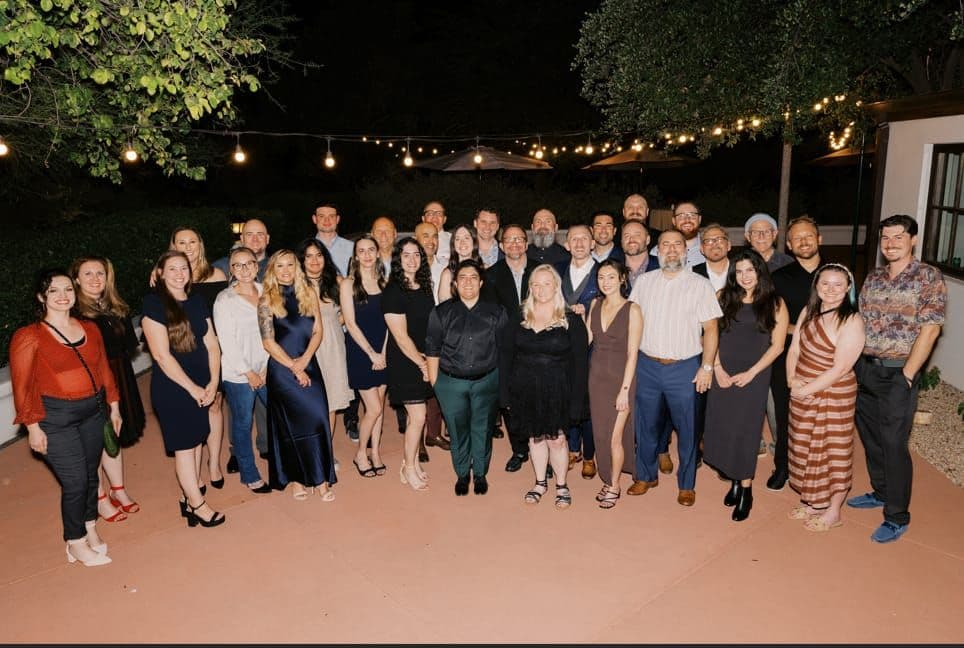
A Decade of Grit: Scottsdale Providence Celebrates Its 10-Year Anniversary
On the eve of our 10-year anniversary, the leadership team of Scottsdale Providence has found itself reflecting on more than time.
Ten years can be measured in milestones, programs, staff members, clients served, and lives changed. It can be measured in growth, licensing, buildings, admissions, alumni stories, and the expansion of services. But when we look back honestly, what stands out most is not simply that Scottsdale Providence Recovery Center has been here for a decade. It is what the work has required of us for a decade.
It has required grit.
Grit has become a word that closely defines our company’s ethos. It is the perseverance to sustain effort and remain committed to an end goal, combined with the passion and belief that the goal is worth pursuing. At Scottsdale Providence, grit is not just something we ask of our clients. It is something we ask of ourselves.
Recovery requires courage, honesty, accountability, and a willingness to move through discomfort. Good treatment requires the same. For 10 years, we have been challenged to choose the deeper thing over the easier thing, the clinically honest thing over the convenient thing, and the values-led path over the path that asks less of us.
Inconvenient, surely, but better.
Remembering Where We Started
The early days of Scottsdale Providence looked very different than they do now.
Before the multidisciplinary team, before the broader continuum of care, before our current clinical structure, there was a small office on East Gelding Drive. There was one group room with offices connected to it, close enough that if someone stepped out of an office, they were practically stepping into group. There were sobriety dates kept on a whiteboard until there were too many to count. There were long days, financial uncertainty, passionate debates, and a small team trying to build something they believed needed to exist.
The name Providence came from the idea of divine guidance or care. From the beginning, that meaning mattered. We saw something miraculous in true change, healing, and sobriety. We believed recovery was not just behavior modification or symptom management. It was the possibility of a person’s life becoming new.
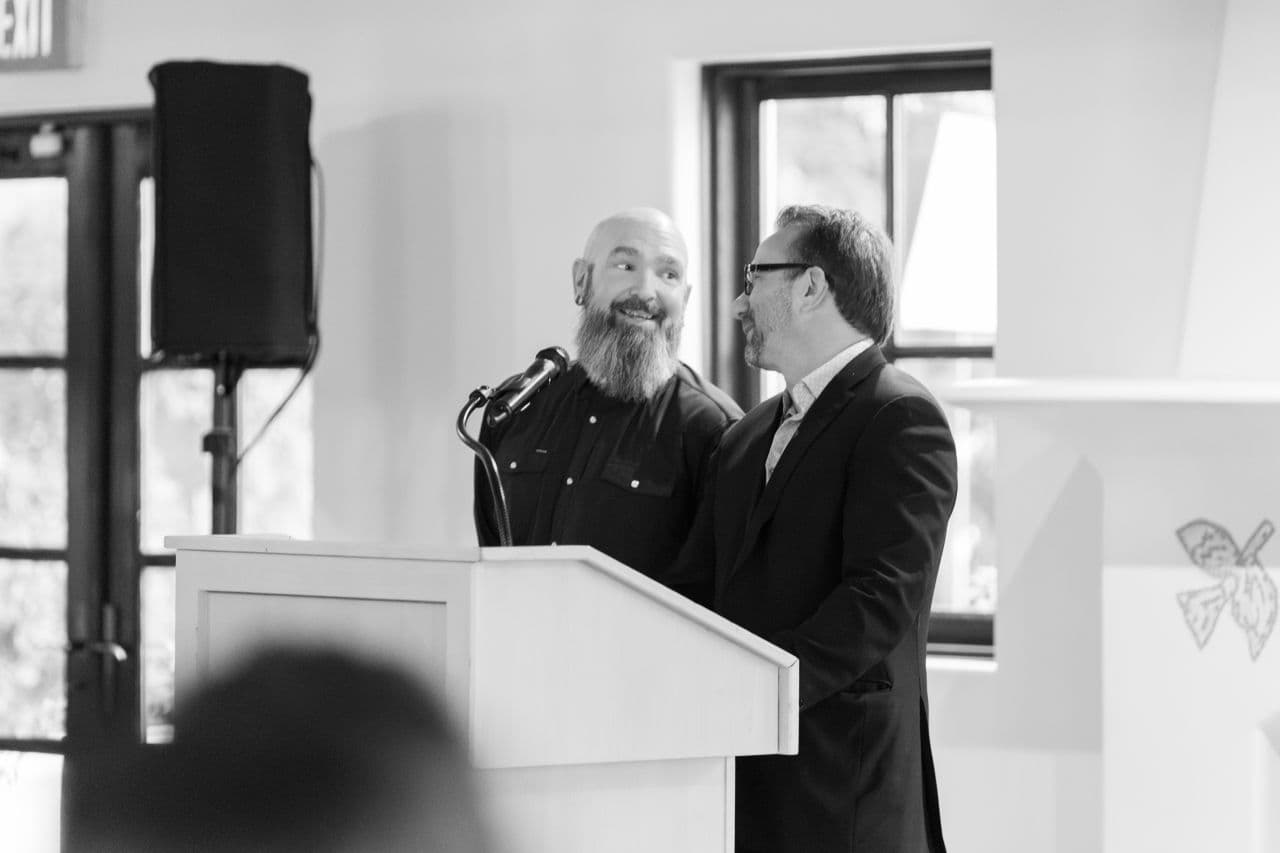
That belief shaped the early mission, vision, and policies of the program. It shaped the way we thought about clinical care, community, accountability, and the responsibility we had to the people who walked through our doors.
There were months when reimbursements did not come through. There were moments when survival as a business was uncertain. And still, there was the sense that if even a few people found recovery, the work mattered.
That early conviction has never really left us.
Choosing Better Over Easier
Grit defines what we ask of our clients, and what we ask of ourselves. It stands in contrast to what we might call a culture of convenience.
A culture of convenience looks for the quickest answer. It avoids discomfort. It appeases when it should challenge. It simplifies when the situation calls for depth. But we do not believe convenient care can create the kind of safety required for real healing.
Safety requires more than warmth. It requires presence, communication, honesty, shared norms, clinical judgment, and the willingness to hold boundaries when boundaries are the more loving choice.
We see this in the daily decisions that shape treatment. Sometimes a client is best served by support and comfort. Other times, a client is best served by being guided through discomfort rather than rescued from it too quickly. Sometimes the right decision is not the easiest one to explain in the moment. Sometimes it requires us to slow down, confer as a team, and ask what will truly support this person’s long-term recovery.
That same commitment affects how we admit clients, how we market our services, who we hire, how we train, how we manage conflict, and how we make clinical decisions. It has influenced moments when it made more sense to scholarship a client for additional treatment, even when that choice cut into profit. It has influenced the way we have resisted reducing care to a simple protocol when the person in front of us needed something more thoughtful.
Inconvenient, surely, but better.
A Culture Built on Clinical Honesty
A less challenging culture would allow everyone to choose their own adventure, even at their own peril. But treatment is not meant to be passive. It is not meant to be a menu of preferences without guidance, structure, or accountability.
At the same time, recovery cannot be forced. One of the foundational principles we return to often is client self-determination. People deserve agency in their own healing. They deserve to be seen, heard, and respected as participants in their recovery, not simply recipients of care.
The work, then, is relational. We are not simply “treating” clients. We are co-creating a recovery experience with them. That requires rapport. It requires trust. It requires a culture where clients can be challenged without being shamed, supported without being enabled, and guided without being controlled.
This is where safety becomes more than a word. A genuine safety-led culture allows hard conversations to happen. It allows clients to tell the truth. It allows staff to disagree, collaborate, and refine treatment recommendations. It allows the team to hold both compassion and accountability at the same time.
From the earliest staff meetings, Scottsdale Providence was never built around a room full of people simply agreeing with each other. There were debates about the right way to care for a specific client. There were different opinions, different disciplines, and different lived experiences at the table. That kind of collaboration takes more time and more emotional labor, but it has also made the care better.
Today, our team includes therapists, physicians, case managers, operations specialists, and a broader collective of multidisciplinary professionals. Our executive leadership includes people in long-term recovery, and across our staff, there are nearly 300 years of collective lived recovery experience. That matters. We know intimately the beauty that can come from the shedding of old ideas, narratives, defenses, and beliefs.
We also know that kind of change rarely happens through shortcuts.
Evolving With the Needs of Our Clients
When Scottsdale Providence first opened, the treatment landscape looked very different.
Substance use disorder treatment and primary mental health treatment were often viewed as separate worlds. Dual diagnosis care usually meant integrated psychiatry and not much more. Trauma-informed care was not as widely expected. Many programs relied heavily on a 12-Step-only curriculum, with less attention to co-occurring mental health concerns, attachment issues, personality dynamics, trauma, family systems, or the practical work of reintegrating into life.
At the time, the standard client experience often included process groups, psychoeducational groups, and introduction to 12-Step fellowships. Those elements still matter. We believe 12-Step facilitation can be a meaningful part of a broader treatment plan. But we also saw that many clients were carrying more complex realities than a substance-focused model alone could adequately address.
That reality is now more widely recognized across the behavioral health field. About 21.2 million adults have both a mental illness and a substance use disorder, and integrated care is now considered the preferred approach for treating co-occurring conditions.
In 2018, Scottsdale Providence made the decision to expand services to include primary mental health care and more comprehensive dual diagnosis treatment. That decision was not made because it was easy. It was made because it had become necessary.
Treating someone with substance use disorder and borderline personality disorder with only a substance-use curriculum was not enough. Treating trauma, depression, anxiety, grief, attachment wounds, and personality-related dynamics as secondary issues was not enough. We needed to build a program that could respond to the whole person.
So we expanded. We built out mental health programming. We created more individualized clinical tracks. We grew our team. We incorporated deeper trauma work, including EMDR and other therapeutic modalities. We strengthened psychiatric collaboration, case management, family involvement, and coordination with community resources.
What Good Treatment Demands
Today, the industry has changed in meaningful ways. Many facilities now offer psychiatry or medication management. More programs recognize the importance of trauma-informed care. More providers understand that mental health and substance use often need to be treated together rather than separately.
This is progress, and we are grateful for it.
Still, there is more work to do. The needs are profound. People are struggling with anxiety, depression, substance use, grief, loneliness, lack of purpose, personality disorders, trauma, and a deep need for belonging. The response to that kind of suffering cannot be shallow. It cannot be a xeroxed packet and a recovery movie. It cannot be treatment that looks good on paper but asks little of the provider and even less of the client.
Good treatment demands something deeper.
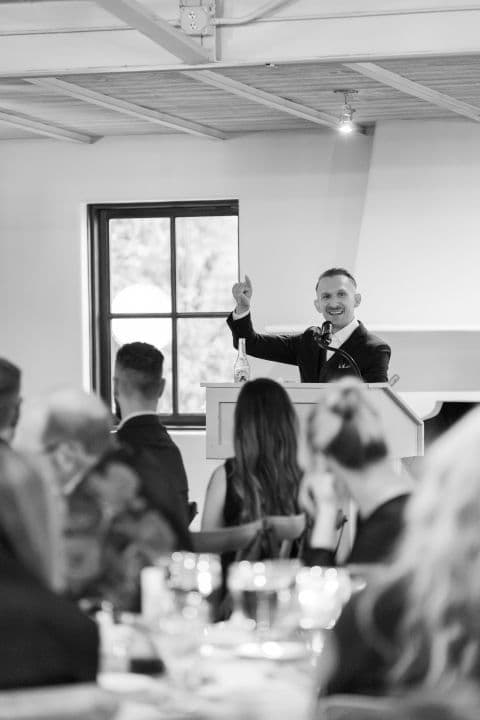
It demands individualized care. It demands clinical humility. It demands collaboration. It demands thoughtful use of medication as one component of care, not the only answer. It demands attention to family systems, relationships, community reintegration, emotional resilience, and the skills a person needs to build a meaningful life outside of treatment.
It also demands that we keep learning.
Our clients have been our greatest teachers. Today’s clients often come into treatment with more exposure to psychological language, more awareness of mental health concepts, and a stronger sense of agency around what they want their care to look like. That agency is valuable. It also invites us to be clearer, more relational, and more skilled in how we guide the treatment process.
We are more convinced than ever that care must be compassionate, collaborative, individualized, trauma-informed, and whole-person centered. Symptom stabilization matters, but it is not the whole story. People deserve support in becoming more connected to themselves, their families, their communities, and their sense of purpose.
Ten Years of Client Care
Ten years represents roughly 3,650 consecutive days of client care.
Holidays, weekends, late nights, difficult admissions, crisis calls, breakthroughs, setbacks, family sessions, staff meetings, hard conversations, alumni visits, and moments of quiet transformation. There was once a time when this community did not exist. Now, there are clients who return years later to visit. There are staff members who were once clients. There is an alumni community that continues to remind us why the work matters.
The life-changing results we hope for cannot happen without a team. Systems matter. Marketing matters. Operations matter. But no amount of efficiency or visibility can replace a group of people who show up every day with a shared goal compelling enough to outlast pride, frustration, disagreement, and fatigue.
That is one of the most difficult things to build and sustain.
Looking back, we can reflect candidly on both our successes and our failures to live up to the greater vision. There have been moments when we got it right, and moments that taught us how to do better. That honesty is part of the work too.
Recovery is not perfection. Neither is building a treatment center. Both require willingness, repair, humility, and the discipline to keep returning to what matters.
The Next Ten Years
What the next 10 years will ask of us may look a lot like what the last 10 did.
The willingness to say or do the harder thing when the easier thing is available. The willingness to stay organized around our values when the field, the market, or the moment seems to reward something else. The willingness to keep refining treatment instead of assuming we have arrived. The willingness to protect a culture where clients and staff feel supported, challenged, and valued.
We are more clear now about what good treatment demands, and we are more committed than ever to paying that cost on behalf of the people who walk through our doors.
Providence began as a name rooted in divine guidance and care. Ten years later, that meaning still feels true. We continue to witness the miracle of healing. We continue to believe in true change. We continue to believe that people can recover, rebuild, reconnect, and begin again.
Our striving has become a discipline.
And after 10 years, we remain deeply grateful for every client, family member, alumnus, staff member, referral partner, and community member who has been part of this story.
The work is not finished. In many ways, it feels like we have only begun.

Author
Victoria Yancer
Victoria writes thoughtful, compassionate content for the behavioral health space. She brings clarity to complex topics and creates messaging that helps people feel informed, understood, and supported as they explore treatment options.

Clinical Reviewer
Daniel Nichols, LCSW
Dan is a Licensed Clinical Social Worker with over 17 years in behavioral health and addiction treatment. His trauma-informed approach blends evidence-based therapies with hope, purpose, and community.
Related articles

Emotional Sobriety in Recovery: Learning to Respond Instead of React
Physical sobriety means stopping substance use. Emotional sobriety is learning to handle stress, fear, and difficult feelings without escaping them.

Transfer Addiction: When Sobriety Shifts Into Another Compulsion
A new habit can feel harmless in sobriety until it starts becoming compulsive. Learn the signs of transfer addiction and how to protect your recovery.

Recovery Means Letting Go of More Than Drugs and Alcohol
Letting go in recovery can mean releasing people, places, patterns, and pain that pull you back. Learn why boundaries matter for lasting sobriety.

Scottsdale Providence Recovery Center Introduces Evening IOP
Scottsdale Providence Recovery Center now offers Evening IOP, a 10-week outpatient program built around connection, support, and everyday life.