
High Functioning ADHD in Women: Understanding the Hidden Struggle
High functioning ADHD in women can be hard to recognize because the struggle is often hidden behind achievement, responsibility, and carefully built coping systems.
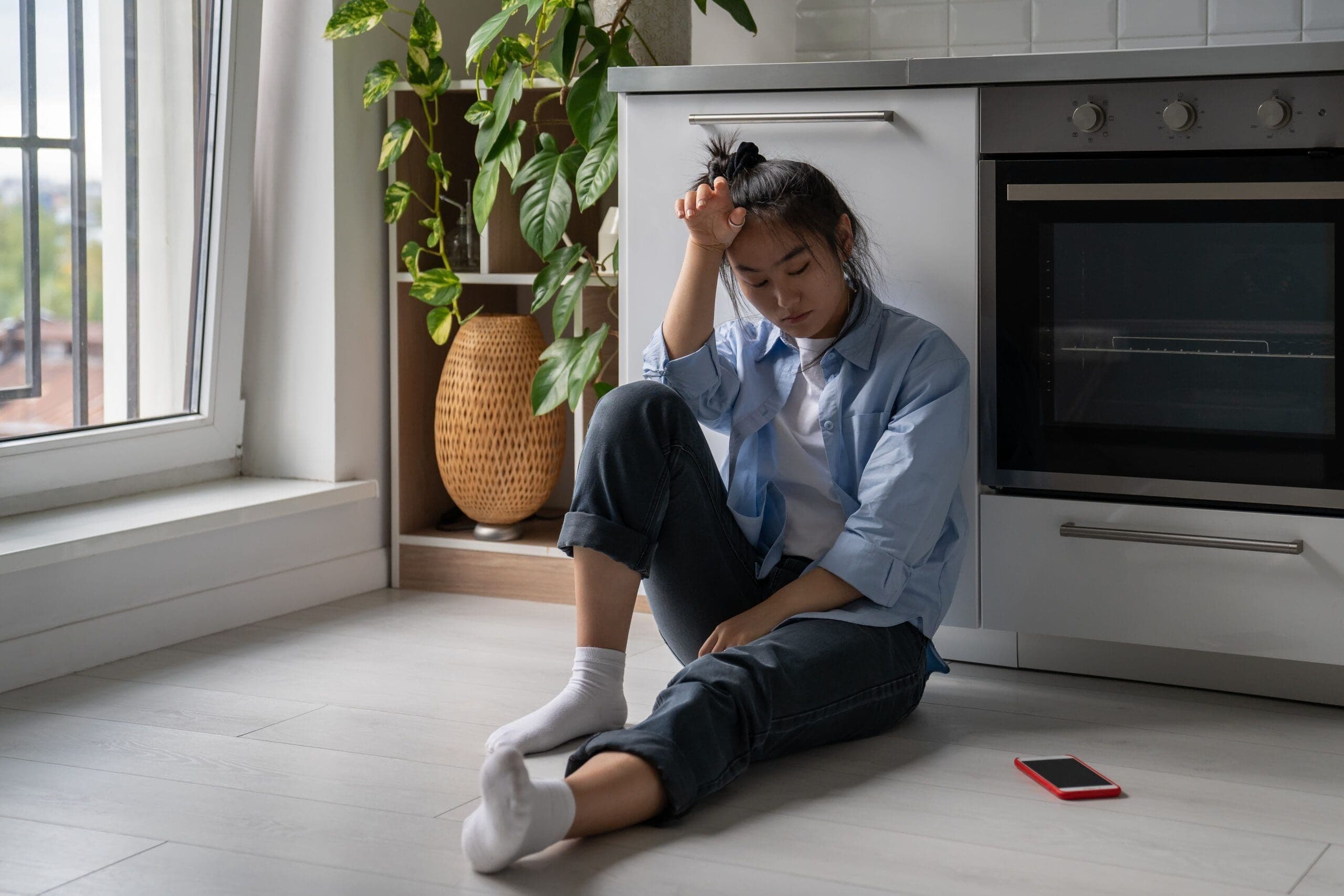
On the outside, a woman may seem organized, capable, productive, and successful. She may have a career, maintain relationships, care for others, meet deadlines, and keep life moving. Internally, however, she may feel overwhelmed, scattered, emotionally exhausted, and constantly afraid of falling behind.
That is one of the most misunderstood parts of ADHD in adult women.
High functioning ADHD does not mean the symptoms are mild. It often means a woman has learned how to mask, compensate, overprepare, and push through at a level that may look impressive to others but feels unsustainable to her.
ADHD is a neurodevelopmental disorder that can affect attention, impulse control, emotional regulation, and executive functioning. NIMH data estimates that 3.2% of adult women ages 18 to 44 have current ADHD, though many women are diagnosed later in life after years of believing their symptoms were anxiety, laziness, disorganization, or personal failure.
This article will help you understand how high functioning ADHD may show up in women, why it is often missed, and what support can look like.
What Is High Functioning ADHD in Women?
High functioning ADHD is not an official diagnosis. It is a phrase often used to describe women who meet the criteria for ADHD but appear to be functioning well from the outside.
They may perform well at work. They may be seen as dependable. They may be the person everyone else counts on.

But behind that appearance, they may be relying on exhausting coping strategies just to keep up.
This can look like:
- Spending hours preparing for tasks that seem simple to others
- Rewriting messages repeatedly before sending them
- Using endless alarms, lists, notes, and reminders
- Procrastinating until pressure creates urgency
- Feeling emotionally overwhelmed by small disruptions
- Hiding forgetfulness, disorganization, or mental restlessness
- Overcommitting because saying no feels uncomfortable
- Feeling like life takes more effort than it should
Many women with ADHD are not struggling because they do not care. They are struggling because their brain is working harder to manage attention, emotion, memory, planning, and follow-through.
Why ADHD in Women Is Often Missed
ADHD has often been associated with the more visible signs seen in young boys, such as physical hyperactivity, impulsive behavior, and disruptive classroom patterns. In women and girls, symptoms may be more internalized.
Instead of appearing outwardly hyperactive, a woman may experience racing thoughts, emotional intensity, chronic overwhelm, or difficulty staying mentally present. Instead of being labeled “disruptive,” she may be labeled anxious, sensitive, scattered, moody, or perfectionistic.
CHADD notes that girls and women with ADHD are often underrecognized because their symptoms may present differently and may be mistaken for other concerns.
This is one reason many women do not receive a diagnosis until adulthood. By the time they seek help, they may already be dealing with anxiety, depression, adhd burnout, substance use, or low self-worth tied to years of feeling like they should be able to “just handle it.”
The Role of Masking
Masking is one of the biggest reasons high functioning ADHD in women can go unnoticed.
Masking means hiding or compensating for ADHD symptoms so other people do not see the struggle. Sometimes this is intentional. Other times, it becomes so automatic that a woman may not even realize how much effort she is using to appear okay.
Masking may include:
- Overpreparing for meetings, conversations, or social events
- Hiding how long simple tasks actually take
- Appearing calm while feeling internally overwhelmed
- Apologizing often to prevent rejection or disappointment
- Suppressing restlessness, frustration, or emotional reactions
- Creating rigid systems to avoid forgetting important things
- Saying yes to too much to prove competence
Over time, masking can become exhausting. A woman may look successful and still feel like she is barely holding everything together.
That gap between how life looks and how life feels can be deeply painful.
Common Signs of High Functioning ADHD in Women
High functioning ADHD can affect many parts of daily life, even when a woman is outwardly successful.
Work and Professional Life
In the workplace, high functioning ADHD often shows up as a cycle of procrastination, pressure, and intense productivity.
A woman may wait until the last minute, then complete a project with impressive focus and urgency. Because the work gets done, others may not see the stress, panic, or exhaustion behind it.
Common work-related signs include:
- Difficulty starting tasks, even when they are important
- Working best under extreme deadline pressure
- Overthinking emails, presentations, or decisions
- Taking on too much and struggling to keep up
- Losing track of details unless systems are in place
- Feeling mentally drained after staying “on” all day
- Fear of being exposed as less capable than others think
This can create a painful pattern. The woman is praised for her output, but the process of getting there is emotionally and physically draining.
Relationships and Social Life
ADHD can also affect relationships, especially when symptoms are misunderstood.
A woman may deeply care about the people in her life but struggle with forgetfulness, emotional reactivity, time management, or follow-through. She may forget to respond to a message, miss small details, interrupt without meaning to, or become overwhelmed during conflict.
This can lead to shame, guilt, and fear of disappointing others.
In relationships, high functioning ADHD may look like:
- Feeling hurt by criticism more intensely than expected
- Overexplaining or apologizing often
- Forgetting plans, messages, or commitments
- Becoming emotionally overwhelmed during conflict
- Needing more recovery time after social interactions
- Feeling like maintaining friendships takes constant effort
Many women with ADHD are not careless in relationships. They may actually be highly empathetic and attentive, but their nervous system and executive functioning can make consistency difficult.
Emotional Dysregulation and ADHD in Women
Emotional regulation is a major part of ADHD that is often overlooked.
For many women, ADHD is not just about focus. It can also involve intense emotional reactions, quick shifts in mood, rejection sensitivity, and difficulty calming the nervous system once activated.
This may feel like:
- Crying suddenly when overwhelmed
- Feeling intense shame after small mistakes
- Becoming irritable when overstimulated
- Struggling to move on after criticism
- Feeling emotionally exhausted by everyday demands
- Going from motivated to completely depleted
Because these symptoms can look like anxiety or mood instability, ADHD may be missed unless a clinician understands how it can present in adult women.
The Internal Cost of “Keeping It Together”
One of the hardest parts of high functioning ADHD is that other people may not realize how much it costs.

A woman may be praised for being successful, dependable, or high achieving while privately feeling anxious, scattered, and exhausted. She may believe she has no right to struggle because her life looks functional from the outside.
That belief can keep many women from asking for help.
The internal experience may include:
- “Why does everything feel harder for me?”
- “I know what I need to do, so why can’t I just do it?”
- “Everyone thinks I’m fine, but I feel overwhelmed all the time.”
- “I’m tired of needing so many systems just to function.”
- “I feel like I’m always one mistake away from falling apart.”
This is where high functioning ADHD becomes especially difficult. The functioning is visible. The suffering is often not.
Getting Diagnosed With ADHD as an Adult Woman
Getting diagnosed with ADHD as an adult woman can feel validating, emotional, and sometimes frustrating.
For many women, diagnosis brings a new understanding of lifelong patterns. What once felt like laziness, inconsistency, or failure may finally make sense as symptoms of a neurodevelopmental condition.
A thorough ADHD assessment may include:
- Current symptoms and how they affect daily life
- Childhood patterns, even if academic performance was strong
- Emotional regulation and executive functioning challenges
- Work, relationship, and home life impact
- Screening for anxiety, depression, trauma, substance use, or other co-occurring concerns
- Review of coping strategies and masking behaviors
The goal is not just to label the symptoms. The goal is to understand the full picture so treatment can actually fit the person.
Treatment Options for High Functioning ADHD in Women
Treatment for ADHD is not one-size-fits-all. The right approach depends on the person’s symptoms, goals, mental health history, and daily life demands.
Therapy
Therapy can help women understand how ADHD affects their thoughts, emotions, relationships, and self-image. Cognitive behavioral therapy, skills-based therapy, and trauma-informed approaches may help address perfectionism, shame, emotional overwhelm, and patterns of avoidance.
Therapy can also help women stop viewing ADHD symptoms as character flaws and begin building strategies that are realistic and sustainable.
Medication Support
Some women benefit from ADHD medication, which may include stimulant or non-stimulant options. Medication decisions should always be made with a qualified medical provider who can consider symptoms, medical history, anxiety, sleep, substance use history, and other factors.
Medication may help with attention, impulsivity, and executive functioning, but it is often most effective when paired with behavioral tools and emotional support.
Practical Skill Building
ADHD support often includes learning how to work with the brain instead of constantly fighting it.
Helpful strategies may include:
- Time-blocking with realistic buffers
- Visual reminders and external organization systems
- Breaking tasks into smaller steps
- Reducing environmental overstimulation
- Creating routines that are flexible enough to maintain
- Practicing boundaries around overcommitment
- Using accountability without shame
The goal is not to become perfect. The goal is to build a life that requires less constant self-punishment to maintain.
Treatment Comparison Table
Approach | Effectiveness for High Functioning Women | Timeline | Key Considerations |
Cognitive Behavioral Therapy (CBT) | Strong evidence; SMD ≈ 0.76 vs. waitlist for symptom reduction; maintained at 12 months | 12+ sessions recommended for durable effects | Targets perfectionism, executive function strategies, emotional regulation |
Stimulant Medications | 70 to 80% response rate; improves attention and impulse control | Effects within days to weeks | Monitor for anxiety exacerbation; consider hormonal interactions |
Non-Stimulant Medications | Moderate effectiveness; preferred for comorbid anxiety | 4 to 6 weeks for full effect | Options include atomoxetine, viloxazine, guanfacine |
Mindfulness-Based Interventions | Effective for emotional sensitivity and stress reduction | 8+ weeks typical | Particularly valuable when ADHD is comorbid with anxiety |
ADHD Coaching | Strong for practical skills and accountability | Ongoing | Complements but does not replace clinical treatment |
Scottsdale Providence Recovery Center offers personalized treatment plans integrating evidence-based approaches for ADHD and co-occurring substance abuse and mental health needs. Our healthcare providers understand that high functioning ADHD deserves support, not dismissal, because external achievements mask internal struggles.
When ADHD, Anxiety, Trauma, or Substance Use Overlap
High functioning ADHD can become even more difficult when it overlaps with other mental health or substance use concerns.
Some women use alcohol, stimulants, cannabis, food, work, or constant activity to manage restlessness, emotional discomfort, or mental overload. Others may develop anxiety from years of trying to prevent mistakes, stay organized, or avoid disappointing people.
If ADHD is part of the picture, support needs to address more than productivity. It needs to address the nervous system, emotional regulation, coping patterns, and the underlying reasons a person feels stuck.
That is where integrated mental health treatment can be especially helpful.
Support for ADHD and Co-Occurring Concerns in Scottsdale
You should not have to wait until life falls apart to get support.
At Scottsdale Providence Recovery Center, care is designed for people who may look like they are functioning on the outside but feel overwhelmed, exhausted, or disconnected on the inside. For women struggling with ADHD symptoms, anxiety, trauma, substance use, or emotional dysregulation, treatment can help create more stability, self-understanding, and long-term change.
We offer comprehensive behavioral health and addiction treatment in Scottsdale, including support for co-occurring mental health concerns. Treatment may include evidence-based therapies such as CBT, DBT, EMDR, somatic experiencing, neurofeedback, and other trauma-informed approaches based on each person’s needs.
You do not have to keep masking your way through life. Support can help you understand what is happening, build healthier coping strategies, and begin living with more clarity and less shame.
If you are ready to talk with someone, Scottsdale Providence Recovery Center is here to help you take the next step.
Frequently Asked Questions About ADHD in Women
High functioning ADHD in women can look like being organized, successful, dependable, or productive on the outside while feeling overwhelmed, distracted, emotionally exhausted, or constantly behind on the inside. Symptoms may include procrastination, forgetfulness, difficulty starting tasks, disorganization, emotional sensitivity, restlessness, and relying on perfectionism, reminders, or overpreparation to keep up.
High functioning ADHD is not an official clinical diagnosis. It is a common phrase used to describe someone who has ADHD symptoms but appears to function well in work, school, relationships, or daily responsibilities. Even when someone looks successful externally, ADHD can still affect attention, executive functioning, emotional regulation, and daily life.
ADHD may be missed in women when symptoms are less outwardly disruptive or are mistaken for anxiety, depression, stress, or personality traits. Some women experience more internal symptoms, such as racing thoughts, chronic overwhelm, emotional intensity, perfectionism, or quiet difficulty keeping up. Women can have any ADHD presentation, but inattentive symptoms are commonly discussed in women and girls.
ADHD can contribute to anxiety, stress, and burnout when someone spends years overcompensating, masking symptoms, or working harder to appear capable. Constantly trying to stay organized, avoid mistakes, meet expectations, and hide overwhelm can become emotionally exhausting over time. ADHD can also occur alongside anxiety or depression, so a professional assessment can help clarify what is happening.
A woman should consider seeking support when attention, organization, impulsivity, emotional regulation, or daily responsibilities become difficult to manage or begin affecting work, relationships, self-esteem, or well-being. Support may also be helpful when someone feels like she can only function by overworking, masking, procrastinating until crisis hits, or relying on unhealthy coping patterns.

Author
Victoria Yancer
Victoria writes thoughtful, compassionate content for the behavioral health space. She brings clarity to complex topics and creates messaging that helps people feel informed, understood, and supported as they explore treatment options.

Clinical Reviewer
Daniel Nichols, LCSW
Dan is a Licensed Clinical Social Worker with over 17 years in behavioral health and addiction treatment. His trauma-informed approach blends evidence-based therapies with hope, purpose, and community.
Related articles

CPTSD and Memory Loss: Why Trauma Can Affect Your Memory
CPTSD and memory loss can disrupt focus and recall. See how trauma affects the brain and what helps restore clarity. — Scottsdale Providence.
Self-Harm Awareness Month: Help, Awareness, and Hope
Learn about Self-Harm Awareness Month, the signs of non-suicidal self-injury, why stigma matters, and how compassionate mental health treatment can help.

What Is a Depression Nap? Understanding Napping and Depression
Napping and depression often overlap. Understand depression naps, warning signs, and when sleep patterns may signal a deeper mental health concern.

Mental Health at Christmas: Gentle Ways to Take Care of Yourself
Support your mental health at Christmas with simple steps that reduce stress, ease loneliness, and create space for comfort, connection, and emotional…