
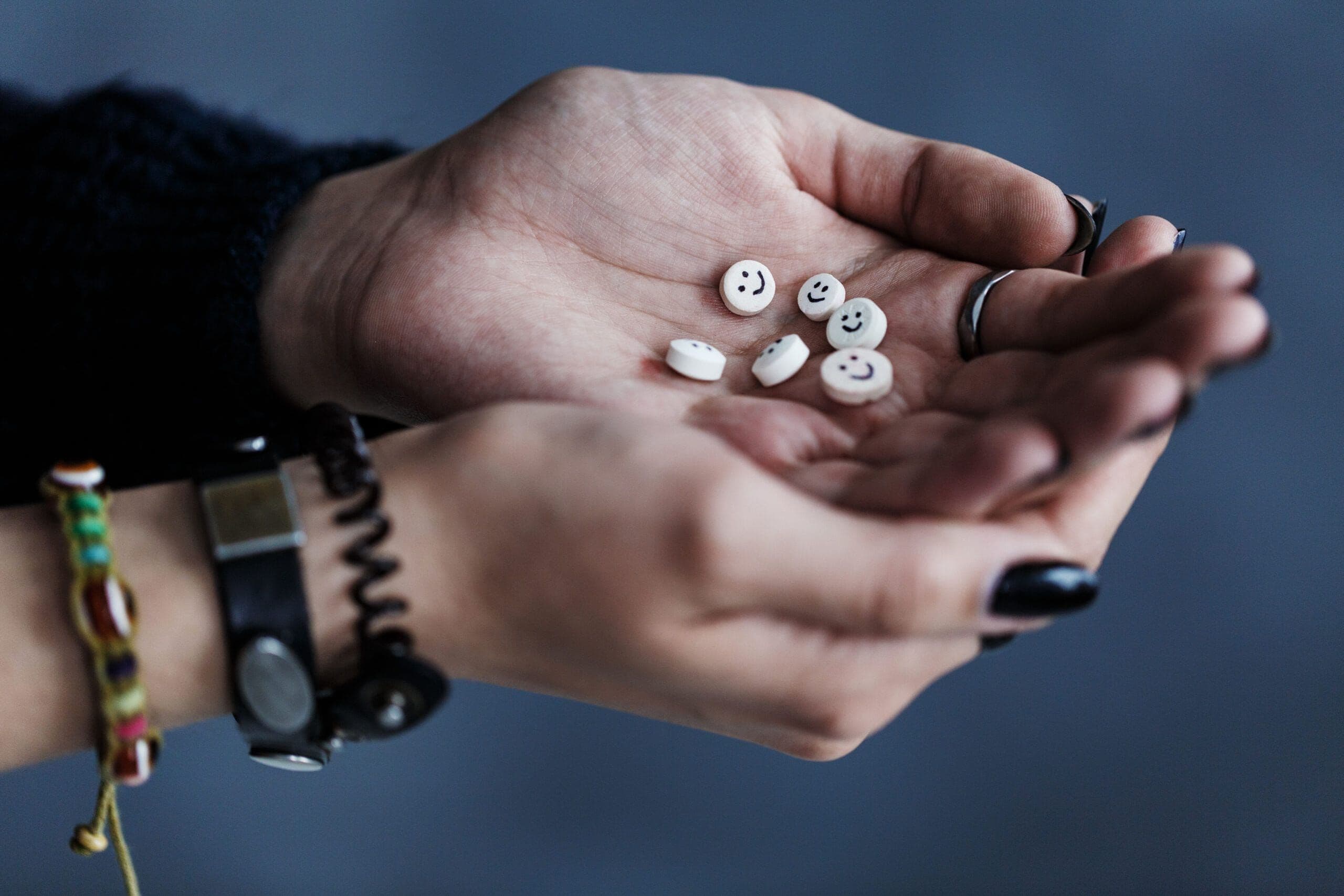
Stimulants and Depressants: What’s The Difference?
In the world of psychoactive substances, stimulants and depressants are two major categories with very different effects on the mind and body. Stimulants and depressants are used both medically and recreationally, but their misuse can have serious consequences.
Whether you're learning about addiction, supporting a loved one, or exploring addiction treatment programs, understanding these drug classes is important. Understanding how stimulants and depressants work is essential for anyone looking to make informed choices about mental and physical health.
What Are Stimulants?
Stimulants, often called "uppers," increase activity in the brain and functioning of the central nervous system. They create a boost in energy, alertness, and focus. Doctors may use stimulants to treat attention deficit hyperactivity disorder (ADHD) or certain types of depression.
Common stimulants include:
- Caffeine (in coffee, tea, and energy drinks)
- Nicotine (found in tobacco)
- Amphetamines (like Adderall)
- Methylphenidate (like Ritalin)
- Cocaine, methamphetamines, and other synthetic drugs
Short-term effects of stimulants:
- Increased energy and alertness
- Fast heart rate and high blood pressure
- Reduced appetite
- Elevated mood
Long-term risks:
- Sleep issues and fatigue
- Anxiety and paranoia
- Heart problems
- Dependency and addiction
What Are Depressants?
Depressants, or "downers," slow down brain activity. They are used to treat anxiety, sleep disorders, and seizures. Depressants can help people feel calm, but they also carry risks, especially when misused.
Common depressants include:
- Alcohol
- Benzodiazepines (like Xanax or Valium)
- Barbiturates
- Opioids (such as morphine or oxycodone)
Short-term effects of depressants:
- Muscle relaxation and sedation
- Drowsiness
- Reduced anxiety
- Lowered inhibitions
Long-term risks:
- Breathing problems
- Memory loss
- Depression
- Physical dependence and withdrawal
How These Drugs Affect the Brain Differently
Stimulants and depressants act on opposite systems in the brain, making their combined use particularly dangerous. Stimulants enhance the release of dopamine and norepinephrine, which help with focus, motivation, and alertness. This is why stimulant medications are prescribed to treat attention deficit disorders.
Depressants often increase GABA activity, a neurotransmitter that slows brain signals, leading to sedation. Misuse can dangerously lower breathing, heart rate, and blood pressure.
Understanding these differences is vital in addiction treatment programs, especially for people misusing both types.
Comparing Stimulants and Depressants
Category | Stimulants | Depressants |
Brain Activity | Speeds up CNS | Slows down CNS |
Medical Use | ADHD, narcolepsy, and some depression | Anxiety, sleep issues, seizure control |
Examples | Caffeine, Adderall, cocaine, meth | Alcohol, Xanax, opioids |
Effects | Increased energy, focus, and alertness | Calm, relaxation, sleepiness |
Risks | Heart issues, addiction, anxiety | Respiratory failure, overdose, and addiction |
Who Is Most at Risk?
Anyone can be vulnerable to stimulants and depressants misuse, but certain groups are at higher risk:
- Young adults and teens under stress or peer pressure
- Individuals with a mental health condition like anxiety or depression
- People with a family history of substance abuse
- Those who drink more than they intend or feel a strong urge to drink to cope
Recognizing these patterns early is key to prevention.
The Danger of Mixing Substances
Some people combine stimulants and depressants in an attempt to balance effects, for example, using a stimulant to stay awake after alcohol. This is extremely dangerous.
Mixing substances can:
- Mask the true effects of each drug
- Increase risk of overdose
- Causes heart or breathing problems
- Lead to erratic behavior
Using stimulants and hallucinogens or mixing them with depressants can result in confusion, hallucinations, or even death.
Signs of Abuse
Recognizing the signs of stimulants and depressants misuse can help save lives.
Stimulant abuse may look like:
- Hyperactivity or restlessness
- Sleeplessness
- Irritability
- Weight loss
Depressant abuse may include:
- Slurred speech
- Mood swings
- Confusion or drowsiness
- Trouble breathing
The Role of Detox and Inpatient Treatment
Recovering from stimulant or depressant misuse can involve severe withdrawal symptoms, including insomnia, anxiety, or even seizures. For many, inpatient treatment is the safest option.
In a clinical setting, people receive support, medical supervision, and a structured path toward sobriety. It’s especially important for those struggling with both addiction recovery and a mental health condition.
A Path Forward
Stimulants and depressants both have legitimate medical uses, but misuse of either class can be dangerous and lead to addiction. If you're struggling to stop alcohol or other substances, you're not alone.
Addiction treatment offers tools for healing, coping, and rebuilding your life. Whether through outpatient or inpatient treatment, lasting change is possible.
If you or someone you care about is struggling with substance use, Scottsdale Providence Recovery Center offers compassionate, evidence-based care. From detox to therapy, our addiction treatment programs support lasting healing.
Reach out today to learn more about treatment options that meet you where you are.
Author
Victoria Yancer
Victoria writes thoughtful, compassionate content for the behavioral health space. She brings clarity to complex topics and creates messaging that helps people feel informed, understood, and supported as they explore treatment options.

Clinical Reviewer
Daniel Nichols, LCSW
Dan is a Licensed Clinical Social Worker with over 17 years in behavioral health and addiction treatment. His trauma-informed approach blends evidence-based therapies with hope, purpose, and community.
Related articles
Narcan: The Overdose-Reversal Medication
Know the signs of overdose and how Narcan can help. This fast-acting spray could save a life—maybe someone you love. — Scottsdale Providence.

What Can You Expect When Starting Addiction or Mental Health Treatment?
Get the support you need with addiction and mental health treatment, from detox to recovery planning, in a clear, compassionate step-by-step process.
What Makes the Right Treatment Program Different?
Experience true transformation at Scottsdale Providence, a trusted luxury rehab in Arizona for addiction, dual diagnosis, and mental health care.

When It’s Time: How to Approach an Intervention
An intervention is a structured, loving conversation to help a loved one struggling with addiction. Learn how to plan one and support recovery.