
Mental Health Awareness Month: A Time to Prioritize Healing
It started in 1949, a simple campaign to bring mental health into public view. Back then, most conversations about depression, anxiety, or trauma happened behind closed doors, if they happened at all.
Today, more than 70 years later, Mental Health Awareness Month is observed nationwide every May. But the need for awareness has only grown.
Every day, people in our communities, including neighbors, coworkers, parents, and teens, quietly carry the weight of mental health struggles. For some, it is anxiety that makes daily life overwhelming. For others, it is depression that keeps them isolated. And for many, the fear of stigma keeps them from reaching out.
This month, we shine a light on those silent battles. We elevate the voices that often go unheard. And most importantly, we remind everyone: you are not alone, and healing is possible.
Mental Health by the Numbers: The Reality in 2024
Mental health challenges are more common than many of us realize, and they affect people from every walk of life.
- 1 in 5 U.S. adults experience a mental illness each year
- Only 50% receive treatment
- 27% of women report symptoms of anxiety or depression, compared to 18% of men
- Among adolescents, more than 1 in 3 high schoolers report poor mental health
- In Arizona, rates of adolescent anxiety and depression have climbed steadily over the past five years
- Arizona ranks 50th in access to adult mental health care in the U.S.
These are more than statistics. Behind every number is a person, someone who is struggling, someone who is trying, someone who is hoping for relief. Mental Health Awareness Month is not only about the data. It is about the lives behind it.
Why Awareness Matters
Stigma still keeps too many people in the dark, afraid to open up, unsure where to turn, or convinced they have to face it alone. Others may not even realize that what they’re feeling is something they can get help for.

That’s why mental health awareness month matters. Because when we talk openly about mental health, we permit others to do the same. We help normalize what so many silently endure.
Whether you're living with anxiety, depression, trauma, or a diagnosis like PTSD or bipolar disorder, or if you're simply feeling like you're not yourself, you matter, and so does your healing. Everyone deserves care that’s compassionate, informed, and deeply respectful.
Mental Health in Arizona: Challenges & Community Response
In Arizona, the challenges are real: long waitlists, limited providers, and a growing demand for services. But community responses are gaining momentum.
Events like the Mental Health Matters Arizona Conference (September 2024 at ASU SkySong) are helping bring these conversations into the open, gathering people who care, who listen, and who are working to make change happen.
More providers and organizations across the state are stepping up to offer inclusive, trauma-informed, and holistic care that sees the full person, not just the diagnosis.
Mental Health Affects Everyone, But Not Always the Same Way
Men
Many men are taught to push through pain, to stay silent, stay strong, and stay stoic. That silence can become a heavy burden. Left untreated, emotional distress can grow into depression, anxiety, substance use, or even suicidal thoughts.
Nearly four out of five suicides in the U.S. are men. That statistic alone shows that something has to change. Mental health support that honors men’s experiences, without shame or judgment, can open the door to real healing.
Women
For many women, mental health challenges are layered. Hormonal shifts, trauma, motherhood, societal pressure, and expectations to “keep it all together” all play a role.
Women are nearly twice as likely to experience anxiety and face higher risks of PTSD and depression. Too often, they put their own well-being last. But when women are supported with the right tools, space, and care, they thrive, and they help lift everyone around them.
Adolescents
Teens today face pressures that did not exist a generation ago. Social media, academic pressure, identity struggles, and post-pandemic isolation have created a perfect storm for mental health challenges.
More than one-third of high school students report persistent feelings of sadness or hopelessness. That is not only alarming, it is heartbreaking. Young people need more than awareness. They need safety, compassion, and access to care that meets them where they are.
How to Get Involved During Mental Health Awareness Month
You don’t have to be a professional to make a difference. Whether you’re someone in recovery, a loved one, or simply someone who cares, your voice matters.
Here’s how you can help:
- Start conversations: You never know who might be silently struggling
- Share resources: A simple recommendation could change (or save) someone’s life
- Attend local events: Community connection is part of healing
- Take care of yourself: Model healthy boundaries and seek help when needed
- Ask for help: Reaching out is never a weakness
Local Mental Health Resources in Arizona
If you or someone you know is in need of support, here are trusted local resources:
- Crisis Response Network Arizona – 1-844-534-HOPE (4673)
- Teen Lifeline (Arizona) – 602-248-TEEN (8336)
- Mental Health Matters Arizona – Event Info
- NAMI Arizona – namiarizona.org
- Scottsdale Providence Recovery Center – Contact Us
We’re Here When You’re Ready
At Scottsdale Providence Recovery Center, we provide a full continuum of care, from outpatient therapy to dual diagnosis treatment,in a space that is welcoming, supportive, and deeply invested in your well-being.
This Mental Health Awareness Month, take a moment to reflect, reach out, or take a step forward, whether for yourself or someone else.
Because healing happens when we show up for each other. And no one has to do it alone. Contact us today to learn more or schedule a confidential consultation
FAQs About Mental Health Awareness Month
May is Mental Health Awareness Month. October also includes World Mental Health Day, but May is nationally recognized across the U.S.
They include: anxiety disorders, mood disorders, eating disorders, personality disorders, psychotic disorders, trauma-related disorders, and substance use disorders.
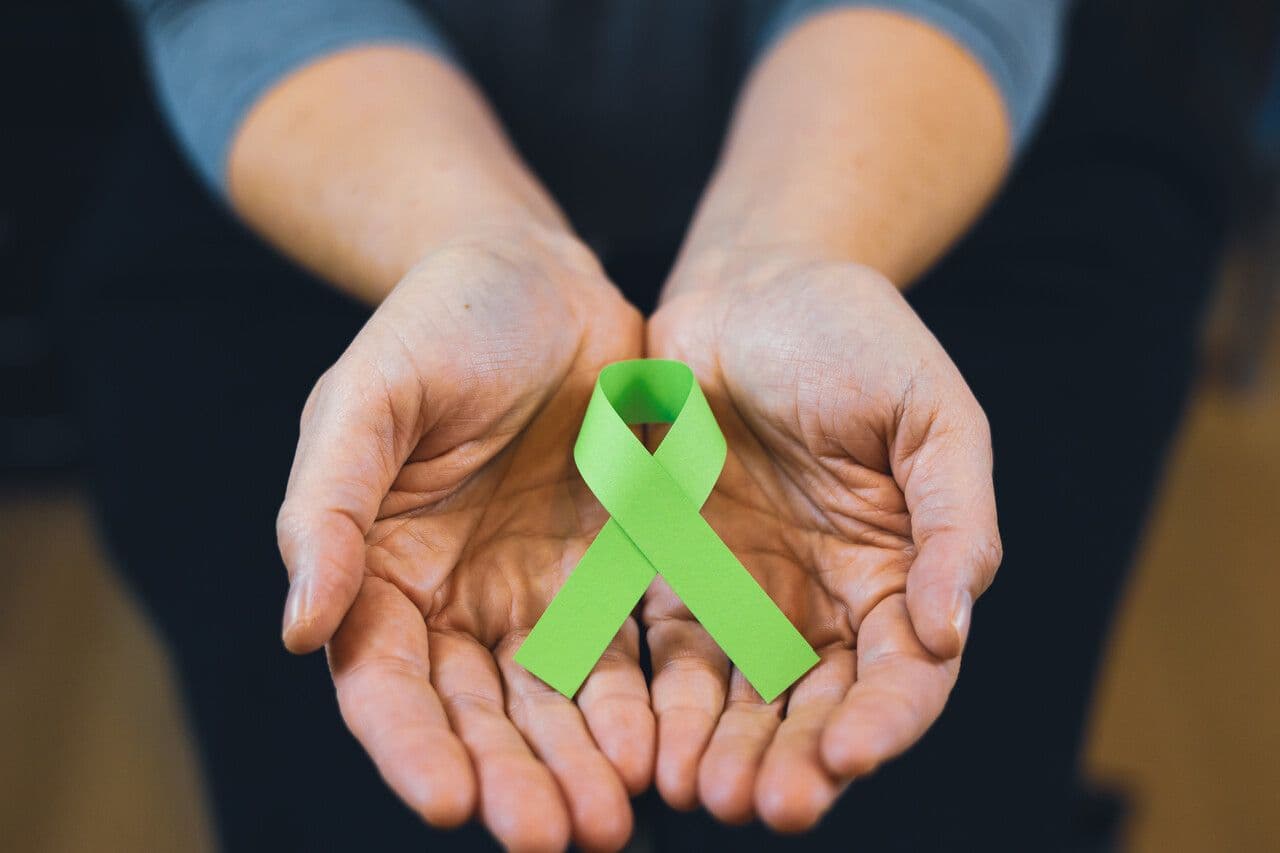
Green is the official color for mental health awareness, symbolizing renewal, growth, and hope.
Anxiety disorders are the most common mental health condition in the U.S., affecting over 40 million adults annually.

Author
Victoria Yancer
Victoria writes thoughtful, compassionate content for the behavioral health space. She brings clarity to complex topics and creates messaging that helps people feel informed, understood, and supported as they explore treatment options.

Clinical Reviewer
Daniel Nichols, LCSW
Dan is a Licensed Clinical Social Worker with over 17 years in behavioral health and addiction treatment. His trauma-informed approach blends evidence-based therapies with hope, purpose, and community.
Related articles

Journaling Prompts for Mental Health: A Simple Tool for Healing
Explore 10 powerful journaling prompts for mental health to reduce stress, boost self-awareness, and support your emotional healing journey.
April’s Alcohol Awareness Month: The Impact of Alcohol
Learn about Alcohol Awareness Month, the impact of alcohol misuse, and how education, prevention, and treatment can support lasting recovery.

Self Injury Awareness Day: Breaking Stigma, Finding Support
Join Self Injury Awareness Day on March 1st to raise awareness, break stigma, and support healing for those facing self-harm and mental health challenges.

Random Acts of Kindness Week 2025: The Power of Giving
Celebrate Random Acts of Kindness Week by spreading positivity and healing. Learn how small gestures can boost self-esteem, and support recovery.