
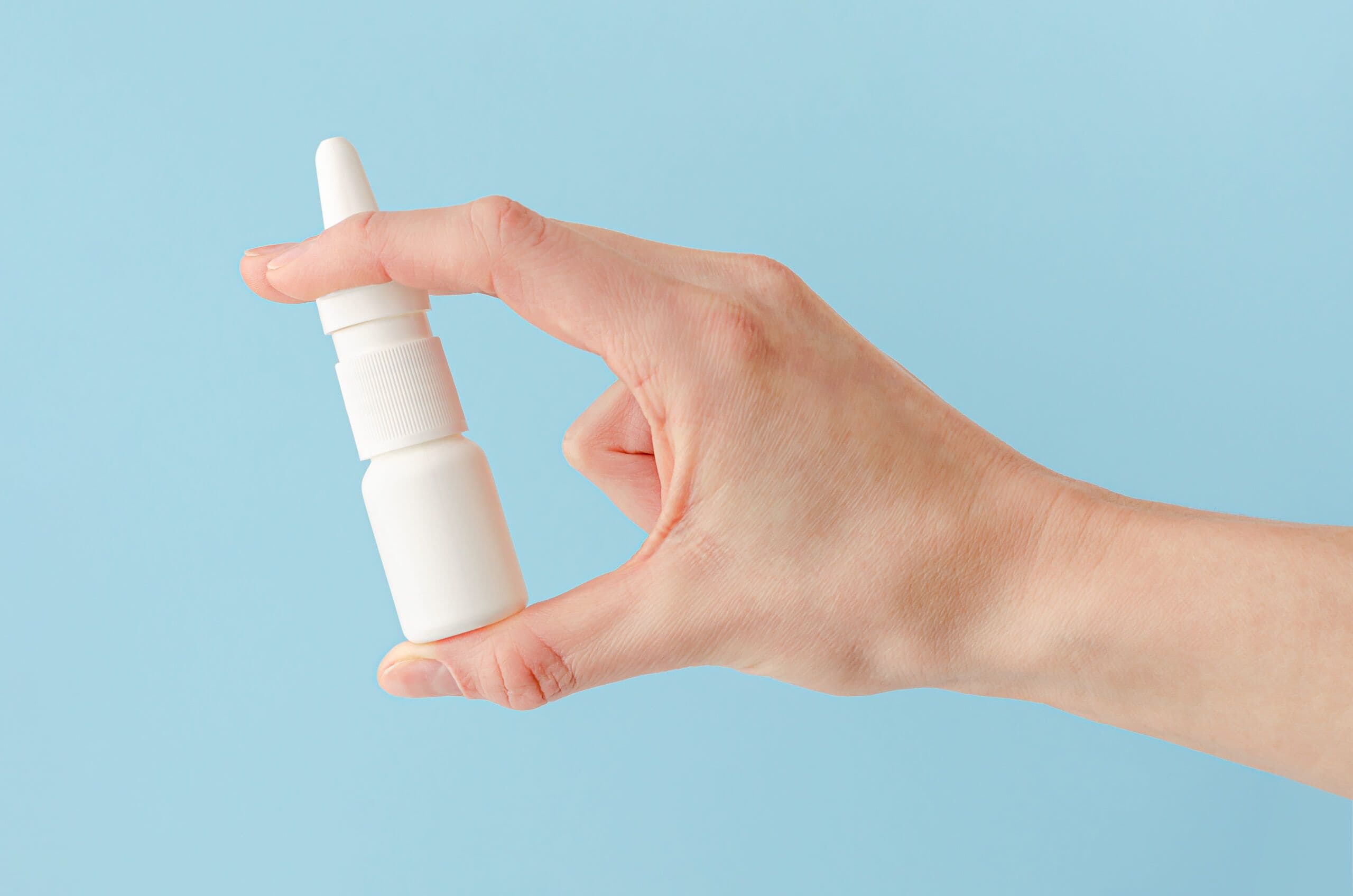
Narcan: The Overdose-Reversal Medication
It can happen in moments.
Someone becomes unresponsive. Their breathing slows or stops. You may not know exactly what they took, but you know something’s wrong. In that moment, every second counts.
You reach for a nasal spray and save a life.
What Is Narcan?
Narcan, the brand name for naloxone, is a life-saving medication designed to reverse an opioid overdose. It works by rapidly displacing opioids from receptors in the brain, helping to restore breathing, heart rate, and blood pressure.
The most widely used form is naloxone nasal spray. It's FDA-approved, easy to use, and requires no medical training. Because of its safety and effectiveness, it has become central to harm reduction efforts across the United States.
Why Naloxone Is Essential Today
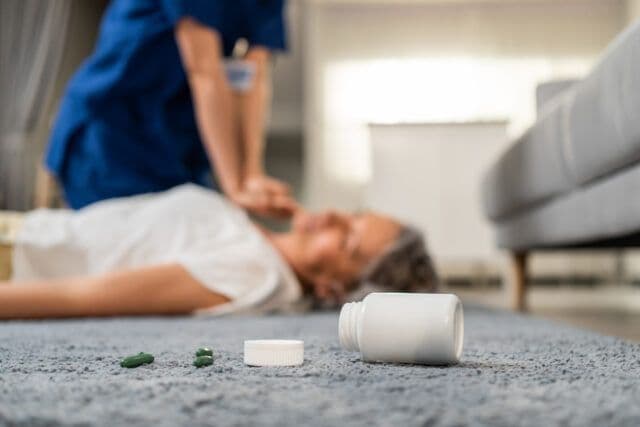
The opioid crisis remains a public health emergency. With more people exposed to dangerous combinations of substances, overdose deaths continue to rise.
According to recent public health data:
- More than 75% of overdose deaths in the U.S. involve an opioid.
- Many of these deaths are preventable with timely access to naloxone.
In some cases, multiple doses may be needed to reverse the effects of powerful opioids. But having this medication on hand, whether at home, at work, or in public spaces, can mean the difference between life and death.
Who Should Carry Narcan?
Anyone can carry naloxone, and many people should. This includes:
- Individuals with a history of opioid use disorder
- Family members or loved ones of those at risk
- Teachers, librarians, bartenders, and other community members
- First responders and emergency personnel
In most states, prescribing Narcan is no longer a barrier. You can now purchase it over the counter (OTC) at major pharmacies. Many distribution programs also provide it free of charge.
Carrying this life-saving spray isn’t about enabling substance use. It’s about saving lives and creating opportunities for recovery.
How to Recognize an Opioid Overdose
Knowing the signs of an overdose is critical. Common symptoms include:
- Slow, irregular, or stopped breathing
- Blue or gray lips, fingertips, or skin
- Tiny, pinpoint pupils
- Gurgling or choking noises
- Loss of consciousness or no response
If you suspect an opioid overdose:
- Call 911 for emergency medical support
- Administer naloxone
- Monitor heart rate and breathing
- If there’s no response after 2–3 minutes, give another dose
It’s safe to administer the medication even if you’re unsure whether an opioid is involved. It won’t cause harm if not needed.
Expanding Access
In the United States, efforts to increase availability are growing. Pharmacies like CVS, Walgreens, and Walmart now offer naloxone OTC. Community-based harm reduction organizations also provide distribution programs to ensure more people are prepared.
Good Samaritan laws in many states provide legal protection for those who act in an emergency. The goal is simple: save lives first.
Narcan Is a Bridge, Not the Destination
Narcan does not treat addiction. But it offers the chance for someone to survive an overdose and take the first step toward healing.
At Scottsdale Providence Recovery Center, we incorporate tools like Narcan into a larger framework of care for individuals living with opioid use disorder. Through evidence-based treatment, medical detox, and holistic support, we help people move from crisis to recovery.
Take the Step. Carry Narcan.
There is no downside to being prepared. Narcan is one of the simplest, safest ways to prevent a tragedy. It’s not just medication. It’s a second chance.
If you or someone you love is affected by opioid use, Scottsdale Providence Recovery Center is here to help. Reach out today to learn how we combine tools like Narcan with compassionate, long-term treatment that supports lasting change.
Author
Victoria Yancer
Victoria writes thoughtful, compassionate content for the behavioral health space. She brings clarity to complex topics and creates messaging that helps people feel informed, understood, and supported as they explore treatment options.
Clinical Reviewer
Daniel Nichols, LCSW
Dan is a Licensed Clinical Social Worker with over 17 years in behavioral health and addiction treatment. His trauma-informed approach blends evidence-based therapies with hope, purpose, and community.