

Borderline Personality Disorder Awareness Month: Understanding BPD
May is Borderline Personality Disorder Awareness Month, a time to bring more attention to a condition that is still widely misunderstood. Awareness matters because people with borderline personality disorder often face stigma, confusion, and delayed treatment, even though BPD is a recognized mental health condition with real symptoms and real treatment options.
Borderline personality disorder, or BPD, affects the way a person experiences emotions, identity, relationships, and stress. It can create intense emotional pain, unstable patterns in relationships, and a constant sense of internal instability that is difficult to manage without support.
This also connects to a broader conversation about personality disorder types, where BPD fits, and how treatment can help people build more emotional stability and healthier coping patterns over time.
What Is Borderline Personality Disorder?
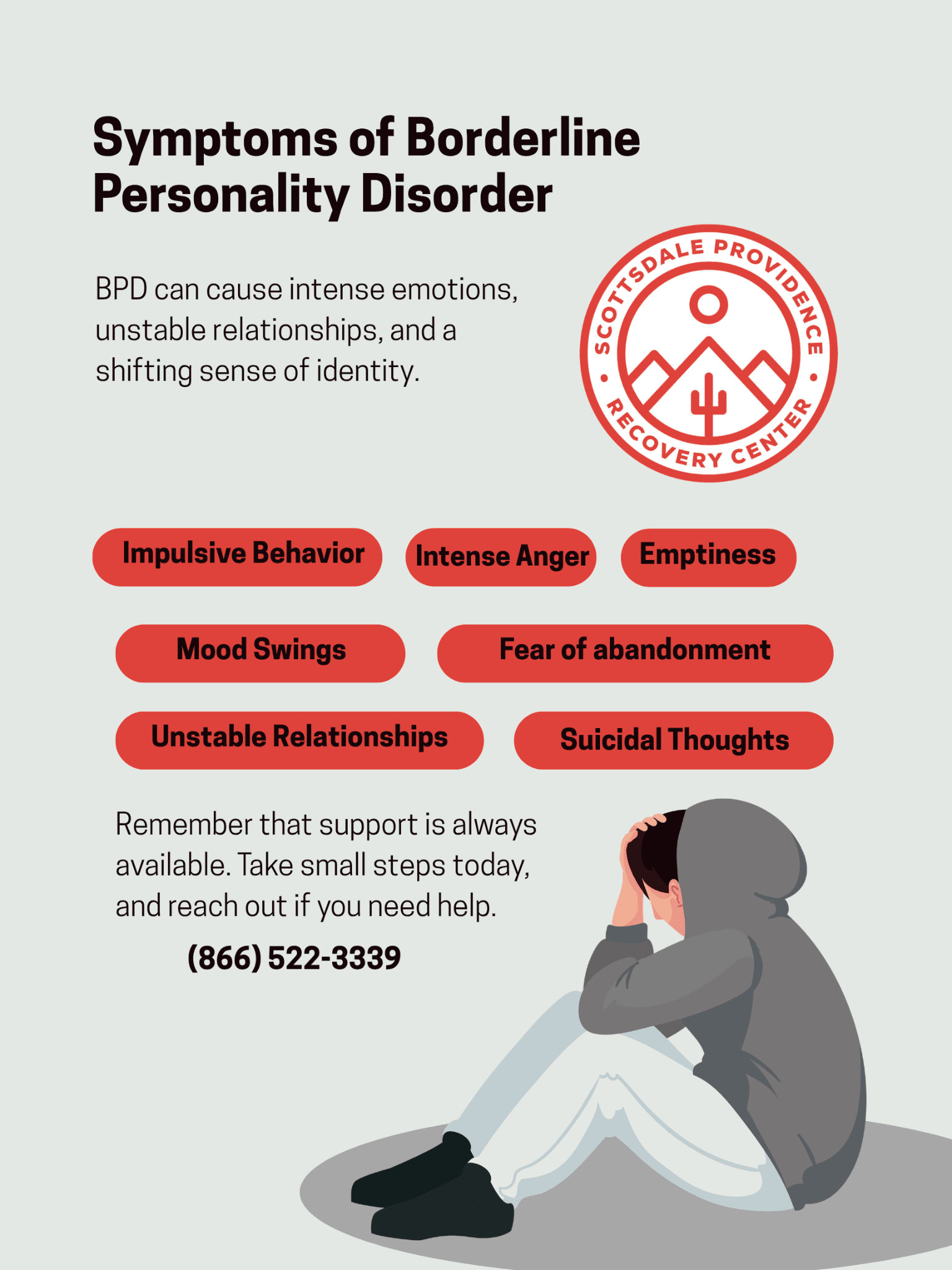
Borderline personality disorder is a serious mental illness that affects how a person feels about themselves and others. According to the National Institute of Mental Health, BPD often involves difficulty regulating emotions, impulsivity, an unstable or changing sense of self, and troubled relationships.
Not every person with BPD experiences the same symptoms in the same way. The severity, frequency, and day-to-day impact can vary, which is one reason proper assessment and individualized treatment matter so much.
Why BPD Awareness Month Matters
BPD Awareness Month matters because this condition is more common than many people realize, yet it is still frequently misunderstood. NIMH reports that borderline personality disorder had a 1.4% past-year prevalence among U.S. adults in the data it cites.
Awareness also matters because BPD often overlaps with other mental health concerns. NIMH notes that borderline personality disorder commonly co-occurs with depression, bipolar disorder, post-traumatic stress disorder, anxiety disorders, substance use disorders, and eating disorders.
That overlap can make symptoms harder to understand and harder to treat when people are only looking at one part of the picture. Better awareness can lead to earlier recognition, better clinical support, and less shame around seeking help.
What Causes Borderline Personality Disorder?
There is no single cause of borderline personality disorder. NIMH states that research suggests genetic, physical, environmental, and social factors may all increase the risk of developing BPD.
These risk factors can include:
- Family history of the disorder
- Brain structure and function differences related to impulse control and emotion regulation
- Traumatic life experiences
- Abuse, neglect, or abandonment
- Unstable or invalidating relationships
- Chronic interpersonal conflict
That is why it is accurate to say BPD develops through a complex interaction of biological vulnerability and life experience. There is no single cause, and there is no single path to recovery.
Personality Disorder Types: Where Does BPD Fit?
According to the American Psychiatric Association, there are 10 specific types of personality disorders in the DSM-5-TR. Personality disorders are long-term patterns of inner experience and behavior that differ significantly from what is expected and affect the way a person thinks, responds emotionally, relates to others, and controls behavior.
Borderline personality disorder is one of the personality disorders most often associated with emotional instability and relationship distress. It is commonly grouped alongside other Cluster B personality disorders, which are generally described as more dramatic, emotional, or erratic in presentation. The broader list of personality disorder types includes conditions such as:
- Paranoid personality disorder
- Schizoid personality disorder
- Schizotypal personality disorder
- Antisocial personality disorder
- Borderline personality disorder
- Histrionic personality disorder
- Narcissistic personality disorder
- Avoidant personality disorder
- Dependent personality disorder
- Obsessive-compulsive personality disorder
How Is BPD Different From Other Personality Disorders?
BPD is often marked by especially intense emotional reactivity, unstable self-image, fear of abandonment, and rapidly shifting relationship dynamics. The APA describes borderline personality disorder as a disorder of emotional regulation, noting that people with BPD often experience very strong emotions that are difficult to control, along with significant problems in relationships and self-image.
People with BPD may feel empty much of the time, struggle with anger, engage in self-destructive behavior, or act impulsively in ways that create additional harm.
That does not make people with BPD manipulative or hopeless. It means they are dealing with a serious condition that affects emotional stability and often requires specialized, structured care.
Treatment for Borderline Personality Disorder
Borderline personality disorder is treatable, and that point deserves to be said clearly.
Therapy is the foundation of care for most people living with BPD. With the right support, many people can experience fewer and less severe symptoms, improved daily functioning, and a better quality of life.
Treatment may include:
- Individual therapy
- Group therapy
- Family therapy
- Skills-based treatment
- Treatment for co-occurring mental health conditions
- Treatment for substance use disorders when needed
For many people, progress means more than symptom reduction. It can also mean:
- Feeling less controlled by emotional swings
- Building more stable relationships
- Improving distress tolerance
- Reducing impulsive behaviors
- Developing a stronger, more consistent sense of self
- Feeling more hopeful about daily life
At Scottsdale Providence Recovery Center, support for personality disorders is part of a broader mental health and dual diagnosis approach that looks beneath surface behaviors and addresses the deeper patterns affecting emotional stability, relationships, and long-term well-being.
Why Accurate Information Matters
BPD is often reduced to stereotypes, and that can stop people from getting help. Awareness content should do more than name the diagnosis. It should make the condition easier to understand and easier to talk about accurately.
That means reinforcing a few important truths:
- BPD is a real mental health condition
- It affects much more than mood alone
- It often overlaps with other mental health concerns
- It does not come from one simple cause
- People with BPD can make meaningful progress with treatment
Support for Borderline Personality Disorder and Personality Disorders
When someone is struggling with emotional instability, relationship problems, impulsive behaviors, or a painful and inconsistent sense of self, it is important to look at the full clinical picture. Borderline personality disorder rarely exists as a simple surface-level issue, and treatment is often most effective when it addresses both symptoms and underlying patterns.
Scottsdale Providence Recovery Center provides support for people facing borderline personality disorder and other personality disorders, with treatment designed to address complex mental health needs in a structured and supportive environment.
If you or someone you love is struggling with symptoms of BPD, Scottsdale Providence Recovery Center offers care for personality disorders, co-occurring mental health conditions, and deeper emotional challenges that deserve thoughtful, evidence-based support.

Author
Victoria Yancer
Victoria writes thoughtful, compassionate content for the behavioral health space. She brings clarity to complex topics and creates messaging that helps people feel informed, understood, and supported as they explore treatment options.

Clinical Reviewer
Daniel Nichols, LCSW
Dan is a Licensed Clinical Social Worker with over 17 years in behavioral health and addiction treatment. His trauma-informed approach blends evidence-based therapies with hope, purpose, and community.