
Alcohol-Related Brain Damage: When Drinking Starts Affecting Memory, Judgment, and Daily Life
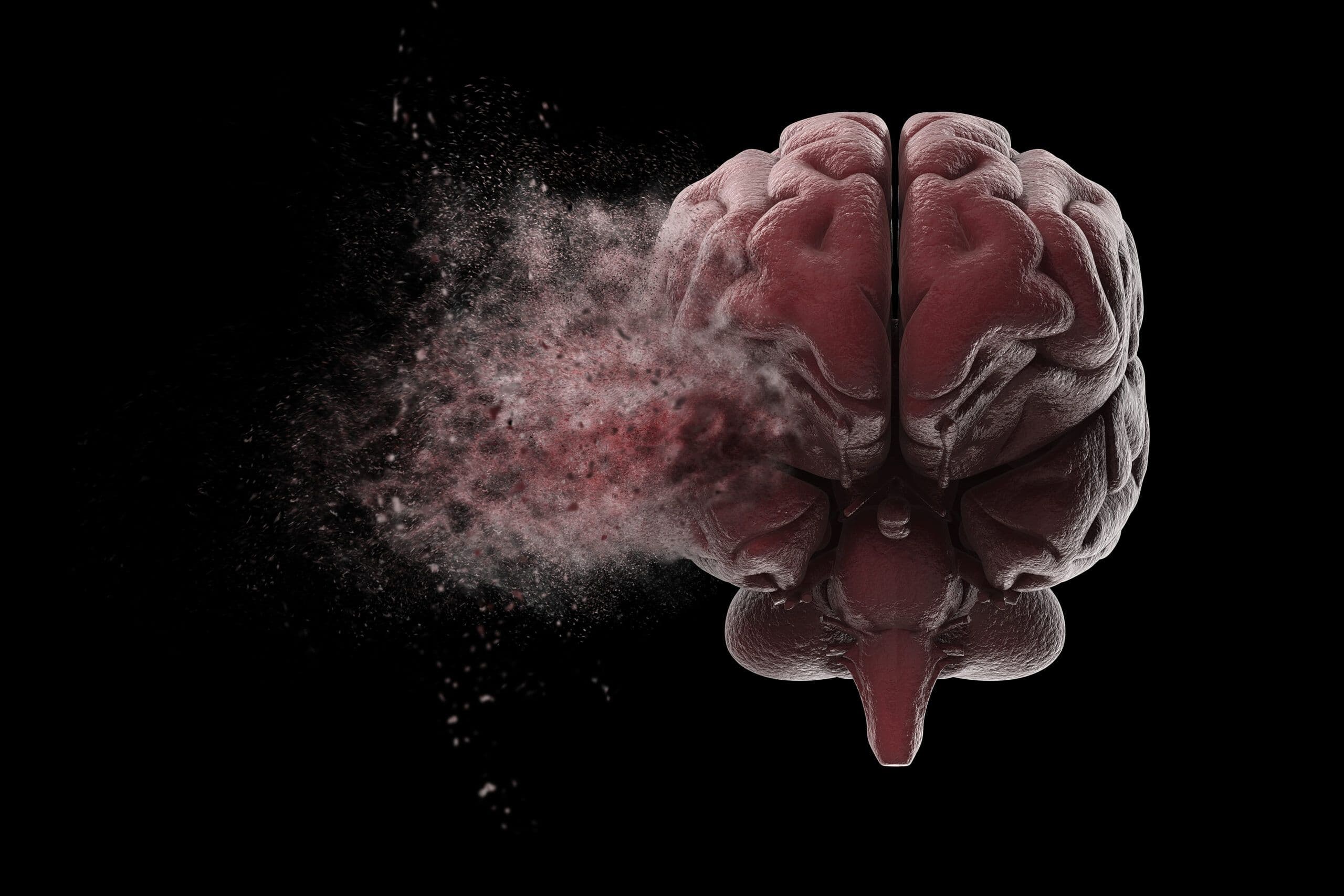
Alcohol can affect the brain in more ways than many people realize. Beyond short-term effects like blackouts, poor coordination, or trouble concentrating, long-term heavy alcohol use can lead to lasting changes in memory, thinking, behavior, and daily functioning. In more serious cases, this is known as alcohol-related brain damage, or ARBD. A severe form of ARBD is sometimes called alcohol-related dementia.
This kind of cognitive decline does not happen from having an occasional drink. It is generally linked to years of unsafe or heavy alcohol use, especially when drinking is paired with poor nutrition, vitamin deficiencies, or ongoing physical health decline.
The encouraging part is that alcohol-related brain damage is not always progressive in the same way as conditions like Alzheimer’s disease. In some cases, symptoms can improve or stabilize when a person stops drinking and receives the right medical and nutritional support.
What Is Alcohol-Related Brain Damage?
Alcohol-related brain damage is a broad term for brain changes caused by long-term alcohol misuse. Alcohol-related dementia is one of the more serious forms of that damage. Over time, heavy drinking can affect memory, reasoning, language, behavior, movement, and a person’s ability to function in daily life.

This condition can develop gradually. Some people notice that tasks feel harder than they used to. Others notice increasing forgetfulness, trouble keeping up with responsibilities, or a growing sense of mental fog. Family members may first notice changes in memory, judgment, personality, or coordination.
Symptoms of Alcohol-Related Brain Damage
Alcohol-related brain damage can affect several parts of daily life.
Memory and Thinking
A person may begin having trouble with:
- Memory loss
- Concentration
- Reasoning
- Planning and organizing
- Making decisions
- Handling complex tasks
In some cases, the earliest symptoms are subtle. Everyday routines may feel more difficult. Recent conversations may be harder to remember. The person may lose track of what they were doing or struggle to process information as quickly as before.
Language and Communication
Alcohol-related brain damage can also affect language. Some people use the wrong words, speak less than they used to, or have more difficulty expressing themselves clearly.
Mood, Personality, and Behavior
Changes in mood and behavior are also common. A person may experience mood swings, agitation, paranoia, hallucinations, aggression, emotional volatility, irritability, withdrawal, or behavior that feels out of character.
Balance, Coordination, and Movement
Spatial awareness and coordination can also be affected. A person may feel less steady on their feet, struggle with delicate hand movements, misjudge distance, or bump into furniture more often.
What Causes Alcohol-Related Brain Damage?
Alcohol-related brain damage is usually caused by long-term, heavy alcohol use over time. Ongoing alcohol misuse can damage brain cells directly, disrupt communication in the nervous system, and affect the parts of the brain involved in memory, decision-making, coordination, and emotional regulation.
The risk tends to rise when heavy drinking continues for years, especially when alcohol use is paired with poor overall health, repeated withdrawals, or neglect of basic nutrition. One major factor is thiamine deficiency, or low vitamin B1, which is common in people with severe alcohol misuse. Low thiamine levels can contribute to serious neurological complications, including Wernicke-Korsakoff syndrome, a condition strongly associated with alcohol-related cognitive decline.
While this condition is more often discussed in adults who have been drinking heavily for years, it is not limited to one age group. The longer and more severe the alcohol use, the greater the potential impact on brain function.
Does Alcohol-Related Brain Damage Happen in Stages?
Alcohol-related brain damage can range from milder cognitive changes to more severe, life-altering impairment.
In earlier stages, a person may still be functioning fairly independently while dealing with growing issues like forgetfulness, poor concentration, slowed thinking, or trouble staying organized. As the damage becomes more severe, symptoms may start affecting speech, movement, self-care, judgment, and the ability to manage daily responsibilities.
At the same time, alcohol-related brain damage does not always follow the same pattern as degenerative conditions like Alzheimer’s disease. If drinking continues, symptoms can worsen and more damage can occur. But if alcohol use stops and treatment begins, the condition does not necessarily continue progressing in the same way.
Is Alcohol-Related Brain Damage Reversible?
This is one of the most important questions people ask, and the answer is not always simple.
Some of the damage caused by long-term alcohol misuse may be permanent. But in some cases, people can see improvement or stabilization after they stop drinking and receive the right medical care, nutritional support, and treatment.
So while alcohol-related brain damage is serious, it is not always a hopeless diagnosis. Stopping alcohol use can help prevent further injury to the brain and may give the body and mind a chance to recover some function over time.
How Is Alcohol-Related Brain Damage Diagnosed?
Diagnosis starts with looking at the full picture.
A provider may evaluate symptoms, alcohol use history, nutrition, physical health, cognitive changes, mood, and day-to-day functioning. They may also speak with a loved one who has noticed memory problems, behavioral changes, or declining ability to manage normal routines.

Testing may include:
- Blood work
- Cognitive testing
- Brain imaging such as MRI or CT
- Neurological evaluation
- Screening for other alcohol-related medical complications
Because symptoms can overlap with other neurological and mental health conditions, proper evaluation is important.
What Treatment Looks Like
The most important part of treatment is stopping alcohol use safely.
Continuing to drink can lead to more damage, more severe symptoms, and a greater risk of lasting impairment. Treatment often begins with medical support, especially if withdrawal is a concern.
Care may include:
- Medically supervised detox
- Residential or structured addiction treatment
- Nutrition support
- Thiamine and other vitamin replacement
- Therapy such as CBT
- Medications that support alcohol recovery, such as naltrexone or acamprosate
- Support groups
- Ongoing medical monitoring
It is also important not to assume someone should stop drinking abruptly without help. For people with alcohol dependence, withdrawal can be dangerous and, in some cases, life-threatening. That is why professional support matters.
Complications of Alcohol-Related Brain Damage
Alcohol-related brain damage can affect much more than memory alone. Complications can include infections, seizures, trouble swallowing, trouble breathing, dehydration, malnutrition, falls, fractures, incontinence, and other alcohol-related medical conditions.
Over time, severe impairment can reduce a person’s ability to care for themselves safely. That is one reason early evaluation matters. The sooner symptoms are addressed, the better the chance of preventing more damage.
When to Seek Help
It is worth talking to a healthcare professional if alcohol use is happening alongside any of these symptoms:
- Worsening memory problems
- Noticeable confusion
- Trouble with routine tasks
- Changes in personality or behavior
- Problems with balance or coordination
- Increasing difficulty functioning day to day
Memory and thinking changes should be taken seriously, especially when alcohol use may be part of the picture. Proper evaluation can help determine whether alcohol-related brain damage or another condition may be involved.
A More Hopeful Way to Look at It
This topic can feel frightening, especially for someone who has started noticing changes in themselves or someone they care about. But this is not a place for shame.
At Scottsdale Providence Recovery Center, we believe healing starts by meeting people where they are. If alcohol is starting to affect memory, thinking, emotional stability, or daily functioning, it does not mean someone is beyond help. It means the next step should be taken seriously.
The earlier someone gets support, the better the chance of protecting their health, stabilizing symptoms, and beginning real recovery.
Get Help for Alcohol Use and Mental Health
If alcohol use is affecting your quality of life, your health, your relationships, or the way you think and function, professional support can make a real difference.
At Scottsdale Providence Recovery Center, treatment is built around compassionate, individualized care that meets you where you are and helps address the deeper issues connected to substance use and mental health. The goal is not just to stop a behavior. It is to help you build a stronger foundation for lasting recovery.
Reach out to Scottsdale Providence Recovery Center to verify your insurance. There is a way forward, and getting support early matters.

Author
Victoria Yancer
Victoria writes thoughtful, compassionate content for the behavioral health space. She brings clarity to complex topics and creates messaging that helps people feel informed, understood, and supported as they explore treatment options.

Clinical Reviewer
Daniel Nichols, LCSW
Dan is a Licensed Clinical Social Worker with over 17 years in behavioral health and addiction treatment. His trauma-informed approach blends evidence-based therapies with hope, purpose, and community.